A buyer’s guide

How to Choose a Video Production Company

The strongest reel is only the start. The company you hire also has to understand the job, build a workable plan, make the budget legible and stay composed when production conditions change.

The short answer

Choose a video production company whose relevant work is strong, whose producer can explain the plan before shoot day, and whose proposal makes scope, approvals, rights and delivery clear. Compare the work and the operating plan together. A beautiful portfolio cannot rescue a production that is poorly scoped.

12-point scorecard

Compare each company on the same questions

Give every finalist the same brief and score the answers below. This keeps a familiar brand name or a low headline price from deciding the process on its own.

AreaWhat to verifyA strong answer sounds like
1. Relevant workProjects with a similar audience, format or production constraintThey can explain what the client needed and why the finished work took that form.
2. Creative ownershipWho develops the concept, script, treatment and interview approachNamed owners, a review sequence and clear client approval points.
3. ProducerWho runs schedule, crew, locations, stakeholders and changesYou meet the producer before signing and know who is accountable day to day.
4. Crew modelHow crew size and roles are chosenThe crew scales to the shot instead of starting with a fixed package.
5. Local capabilityPermits, parking, location access, travel and local crew coordinationThe company can name the likely local constraints and who will handle them.
6. ScheduleMilestones, client dependencies and the real approval deadlineThe schedule includes decisions and feedback alongside filming and editing dates.
7. ProposalDeliverables, shoot days, crew, equipment, post and exclusionsYou can connect each major cost to an agreed part of the scope.
8. RevisionsRounds, reviewers, change orders and feedback methodThe proposal distinguishes refinements from a change in the approved direction.
9. RightsTalent, music, footage, final assets and usage termsThe handoff and usage rights are written down before production.
10. Enterprise readinessInsurance, vendor onboarding, site access, security and legal reviewThe company asks about these gates during scoping, not after the shoot is booked.
11. ReferencesNamed reviews and project proofReviews describe the working relationship, and the work can be inspected.
12. CommunicationResponse rhythm, decision records and escalation pathYou know where decisions live and who resolves a production problem.

Portfolio review

Look for decisions, not a montage

A reel proves taste. Individual projects prove whether a team can solve a brief like yours. Ask to see complete work in the format you are commissioning, then look for consistency in picture, sound, pacing and brand fit.

Relevant does not mean identical. A technology launch, a donor story and an executive interview have different audiences. The useful question is whether the company can explain the goal, the constraint and the production choice behind each example.

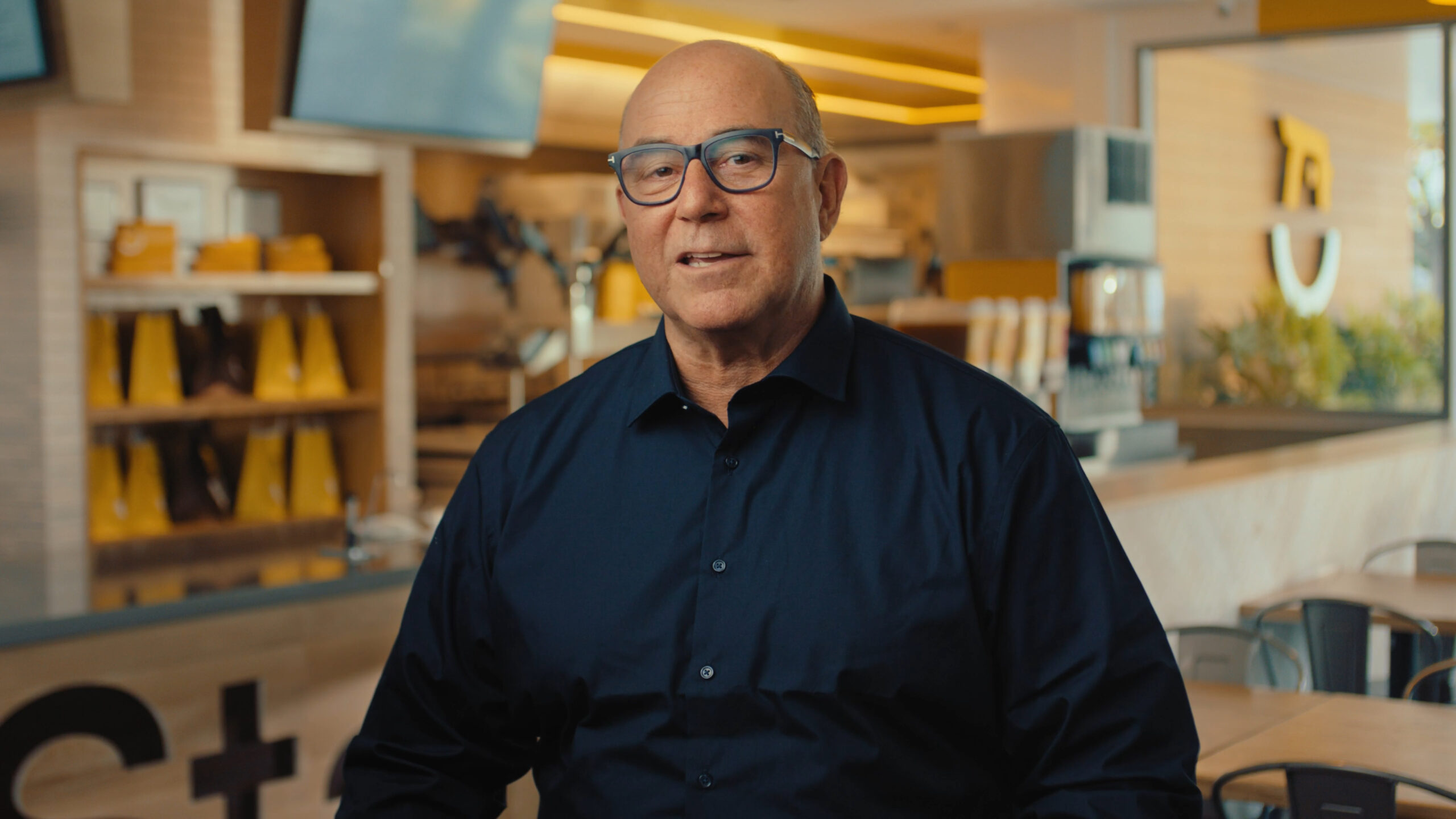
Interview production by Luma Creative in the San Francisco Bay Area

Before the proposal

Define the job well enough to compare the answers

You do not need to arrive with a finished concept. You do need an agreed business goal, audience, deadline and review group. Without those, each company is pricing a different project.

01

Audience and response

Name who must see the video and what should happen after they watch it. A launch film and an internal announcement can share a visual style while doing different jobs.

02

Primary deliverable

State the main film, target length and first destination. Add cutdowns, aspect ratios, captions, stills or photography only when the team needs them.

03

Deadline and approvals

Work back from the date the final asset has to be live. Include legal, brand, executive and product review in the schedule.

Proposal comparison

The lowest total is not always the smallest scope

Two proposals can use the same project name and include different work. Normalize them before comparing price.

Compare line by line

  • Concept, treatment, scripting and storyboards
  • Producer time and pre-production
  • Shoot days, crew roles and equipment
  • Locations, casting, travel and permits
  • Editing, color, sound, graphics and captions
  • Versions, revision rounds and delivery

Ask what is outside scope

Exclusions matter as much as inclusions. Confirm overtime, additional shoot days, new deliverables, licensed assets, raw footage, project files and changes made after the approved creative direction.

See Luma Creative’s Bay Area cost ranges

People and process

Meet the person who will run the production

A senior sales conversation followed by an unknown delivery team is a risk. Ask who will produce the project, who leads creative, who is on set and who owns the edit.

The producer joins before the scope is locked.
Creative and client approvals have named owners.
Crew roles match the shot plan and location.
The feedback process is agreed before the first edit.
Insurance and site-access needs are raised early.
The final handoff names every file and usage right.
Luma Creative scales the crew to the shot. More people can be necessary, but crew size is not a quality score. The right test is whether every role changes what the production can safely and reliably deliver.

Warning signs

Problems usually appear in the plan before they appear on set

The quote is a single number

You cannot tell what will be produced, who will do it or what happens when the brief changes.

No one asks about approvals

A team that ignores the review group during scoping will discover it during post-production, when changes cost more.

The answer is always yes

Production involves trade-offs. A useful partner explains what the budget and deadline can support and what they would change.

Questions buyers ask

Video production company FAQ

How far ahead should we hire a video production company?

Book early enough to cover creative development, approvals, casting or locations, the shoot and post-production. The right lead time depends on the scope and the immovable delivery date. Ask the producer to build a reverse schedule before you sign.

Should we hire a videographer or a production company?

A videographer can be the right fit for straightforward capture with limited planning and a small crew. A production company is a better fit when the job needs creative development, multiple roles, complex logistics, stakeholder approvals or several finished assets.

How should we compare video production portfolios?

Watch complete projects that are relevant to your audience or constraint. Evaluate picture and sound, but also ask why the work took that form. A company should be able to connect its creative choices to the client’s goal.

What should a video production proposal include?

It should define deliverables, creative and pre-production work, shoot days, crew and equipment, post-production, revision rounds, usage rights, exclusions, schedule and payment terms. The exact detail varies, but the working boundary should be clear.

Do we need a local San Francisco production company?

Local knowledge is useful when the project depends on Bay Area locations, permits, production parking, venue rules, local crews or a tight schedule. For a studio-only or remote post-production job, location may matter less than the team’s relevant work and process.

A clear brief gets a clearer answer

Tell us what the video has to do.

We will talk through the audience, deadline, deliverables and production options before we recommend a scope.

Get in touch