Creative development
A supplied brief with an approved message requires less development than a new campaign that needs concepts, treatments, scripting and storyboards.
San Francisco Bay Area pricing
Most single-day corporate video projects Luma Creative produces in the Bay Area fall between $5,000 and $30,000. The useful number comes from the scope: what has to be planned, filmed, edited and delivered.
Video production in the San Francisco Bay Area can range from $5,000 for a focused single-day corporate production to $300,000 for a commercial with broader creative, casting, locations, specialty production and post-production needs. These are Luma Creative’s planning ranges, not fixed market prices or a quote.
Published planning ranges
The ranges below come from the scopes Luma Creative discusses and produces. They are useful for planning. Your proposal is built around the actual brief.
| Project type | Typical budget | What usually moves the number |
|---|---|---|
| Single-day corporate video | $5,000–$30,000 | Crew size, cameras, sound, graphics, editing and number of final versions. |
| Multi-day or multi-location production | $15,000–$100,000 | Shoot days, company moves, travel, talent, permits and the post-production plan. |
| Commercial production | $10,000–$300,000 | Concept, casting, set design, specialty equipment, visual effects and usage. |
| Ongoing social content | $4,000–$10,000 per month | Production cadence, number of deliverables and editing scope. |
| Production retainer | Starting at $10,000 per month | Monthly production, post-production and the agreed content plan. |
Six budget drivers
A supplied brief with an approved message requires less development than a new campaign that needs concepts, treatments, scripting and storyboards.
Each shoot day carries crew, equipment and logistics. Location moves add travel, setup and breakdown time that may reduce what can be filmed in a day.
We scale the crew to the shot. Multiple cameras, specialist lighting, production design, aerial work or complex sound require more people and equipment.
Actors, casting, usage terms, hair and makeup, permits, site access, production parking and security can change both budget and schedule.
Editing is only one part. Color, sound, music, animation, visual effects, screen replacements, captions and review rounds each add work.
A hero film, several cutdowns, vertical versions, stills and paid-media usage create a different scope from one final file for an internal audience.
Scope example
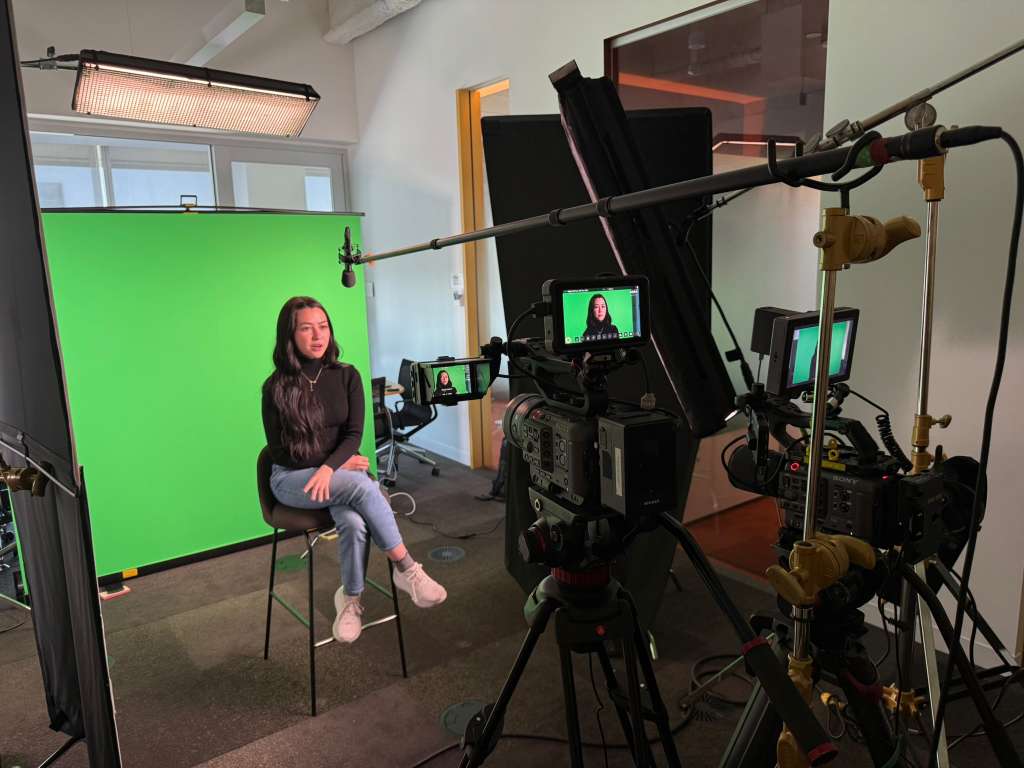
A single-day interview or internal communications project often sits in the $5,000–$30,000 range when the location and participants are ready, the crew is compact and post-production is defined.
The number moves upward when the job adds a second camera, teleprompter, location work, additional interviews, motion graphics or multiple final versions. None of those is automatically necessary. We include them when they solve a production or delivery problem.
Budget worksheet
A production company can give you a useful range sooner when these decisions are visible. Unknowns are normal. Mark them as open rather than hiding them inside a fixed total.
Download the budget and scope worksheet (PDF)
For San Francisco locations that may need public-space permission, use our film permit guide before treating a location line as final.
Comparing estimates
A lower quote may exclude work another company has included. Put each estimate into the same structure so the trade-offs are visible.
How to control the budget
Film compatible interviews or scenes on the same day when participant and location schedules allow it.
Collect stakeholder feedback through one person. Conflicting edit notes cost time and can undo an approved direction.
Tell the production team which formats and cutdowns matter before framing, coverage and the shoot schedule are locked.
Methodology
The figures on this page are Luma Creative’s own published planning ranges for the San Francisco Bay Area. They reflect categories of work we scope, not an industry survey or a promise that every project will fit inside a band.
Each proposal is based on the current brief, schedule, creative approach, locations, crew, equipment, post-production and delivery requirements. Taxes, travel, media spend or third-party rights may be handled differently depending on the project, so the written proposal controls.
Reviewed September 29, 2026. These are Luma Creative’s planning ranges; we have not presented them as independently surveyed Bay Area market averages.
Questions buyers ask
Runtime alone does not set the price. A one-minute film can fall anywhere within Luma Creative’s published ranges because the budget follows the concept, shoot, crew, post-production and usage behind it.
Yes. Employees can be the right on-camera choice for executive, recruiting, internal and customer-facing work. The plan still needs time for interview preparation, releases, scheduling and production support.
The scope can include editing, color, dialogue cleanup, sound design, music licensing, graphics, animation, captions, review rounds and final exports. The proposal should name what is included.
The companies may be pricing different creative development, crew, equipment, shoot days, locations, deliverables or rights. Compare the scope line by line before judging the total.
We scope the project around the work and deliverables. The proposal sets the commercial terms for that project, including how changes outside the agreed scope are handled.
By William Cook, Founder & Executive Producer of Luma Creative and author of The Enterprise Video Production Playbook. For an overview of our San Francisco production work, see Luma Creative.
A range becomes useful when the brief is clear
Share the audience, deadline, deliverables and constraints. We will show you what the budget supports and where the trade-offs sit.
Discuss your budget