
Video production buyer guide

The Anatomy of a Video Production Proposal

Every line should connect to a creative choice, a production constraint or a deliverable. This annotated example shows what to compare before approving the budget.
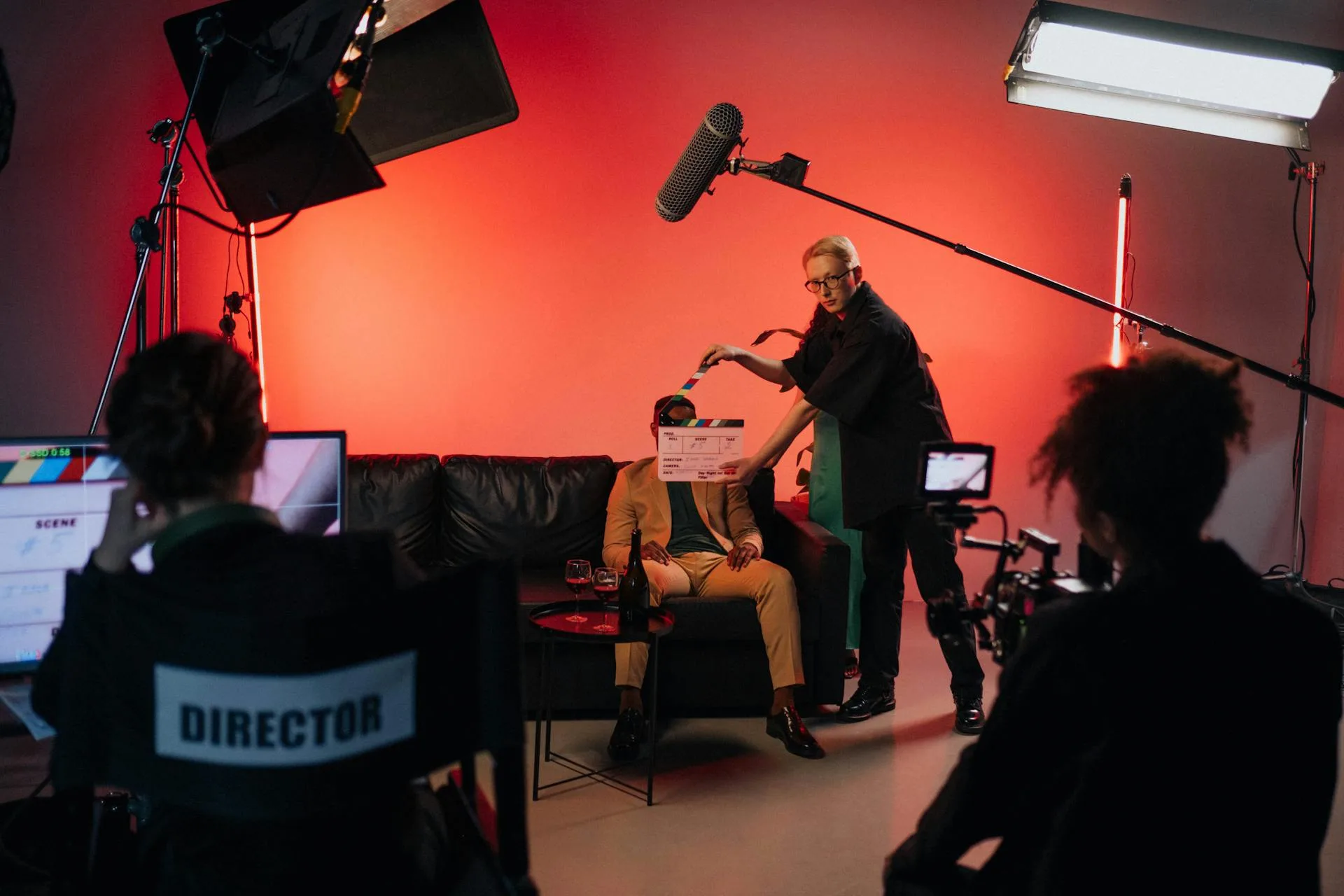
Luma Creative crew filming an interview on location in the San Francisco Bay Area
The short answer

A video production proposal should define the creative work, pre-production, shoot days, crew, equipment, locations, post-production, deliverables, rights and commercial terms. The total is only comparable when those details match.

The sample brief

One project, one scope, one teaching total

The example is a one-day San Francisco brand-story shoot across two nearby locations, with two cameras, three interviews, supporting b-roll, one finished three-to-four-minute film and three short cutdowns.

1 dayof production
2 locationswithin San Francisco
4 editsone main film and three cutdowns
$25,000illustrative teaching total

Annotated example

A sample $25,000 video production proposal

The scope includes interview preparation, location coordination, basic titles, licensed music, color, sound finishing, captions and two consolidated revision rounds. The client supplies the on-camera participants and approves both locations.

Illustrative example: This is a teaching model created to explain proposal structure, and the figures are a hypothetical allocation of the stated total. It is not a client proposal, a Luma Creative rate card or a Bay Area average. Actual budgets depend on the creative approach, crew, location, shoot schedule, post-production and deliverables.
Proposal line
Example
What it covers
What to verify
Creative development and pre-production
$3,250
Brief, treatment, interview plan, shot list, schedule and logistics
Named outputs, approval dates and revision rounds before the shoot
Producer and project management
$2,000
Client communication, crew booking, schedule control and delivery management
Producer involvement across pre-production, shoot and post
Director and director of photography
$3,000
Performance direction, visual approach, camera choices and on-set decisions
Whether one person fills both roles and whether that fits the project
Camera package
$2,400
Two cameras, lenses, support, monitoring, media and backups
Camera count, media ownership and any specialty equipment
Lighting and audio package
$2,200
Fixtures, grip, microphones, recorder and monitoring
Package size, room constraints and whether a sound operator is included
Support crew
$2,800
Assistant, gaffer, sound or production support needed to keep the day moving
Named roles, hours, overtime and whether rates include payroll costs
Location, permits and expenses
$1,250
Location logistics, permits, parking, meals or small production expenses
Allowance versus fixed amount, client-supplied items and approval limits
Editing
$4,400
Ingest, selects, assembly, story edit, cutdowns and revision work
Deliverable count, runtime, aspect ratios and included revision rounds
Color, sound, music and captions
$1,600
Final picture and audio finishing, licensed track and accessible files
License scope, caption format and whether advanced graphics are excluded
Media and data delivery
$400
Drives, transfers, archive handling and final file delivery
Raw footage, archive period, transfer method and long-term storage
Production fee
$1,700
Business overhead, production administration and risk carried by the production company
Percentage or fixed basis and which pass-through costs it applies to
Illustrative total
$25,000
The included example lines above
Do not use this total to estimate a real production

How to read the proposal

Every line needs a responsibility, unit or output

A longer crew or equipment list is not automatically better. The useful question is what each choice enables and whether the approved treatment requires it.

Pre-production

Look for the treatment, script, storyboard, interview plan, shot list, casting, scouting, schedule and call sheet that the line is expected to produce.

Crew

Separate producer, director, director of photography, camera assistant, gaffer, grip, sound and specialist roles. We scale the crew to the shot rather than assuming a larger crew is better.

Equipment

Connect cameras, lenses, lighting, audio, grip, teleprompter, drone and monitoring to the treatment and location. Ask what changes if a package is reduced.

Post-production

Separate the primary edit, cutdowns, aspect ratios, color, sound, music, captions, graphics, animation and visual effects. Define what one revision round means.

Rights and handoff

Confirm music and stock licenses, talent usage, raw footage, project files, archive period and final delivery. Rights may have a term, territory or platform limit.

Allowances and changes

Location, permits, travel, parking, meals and overtime may be fixed, estimated or excluded. The proposal should state what requires written approval.

Composite scope change

Why a second shoot day changes more than the calendar

Composite example: This scenario is assembled from recurring proposal patterns in private Luma Creative records. It is not a client proposal and contains no client-specific pricing.

Original brief

One interview film

We plan one shoot day for the primary interview and supporting b-roll, followed by one main edit.

Scope change

Add a second day and two cutdowns

The revised brief adds another location, two short versions and one additional consolidated review round.

What moves

Production and post both expand

We now plan another crew and equipment day, more media handling, two versions, captions and additional review time. The total changes because the deliverable set changed with the schedule.

Outside the example

Items that need a price or an explicit exclusion

Casting, talent, studio rental, specialized insurance, travel, advanced animation, visual effects and extra shoot or edit days are outside this teaching total. If the treatment requires one of them, it still belongs in the full project budget.

Contract and usage-rights language should be reviewed by your own legal team when the stakes require it. This page explains production scope, not legal advice.

Print-ready worksheet

A one-page video proposal comparison worksheet

We use the scope, not the subtotal, as the starting point. Write the included quantity, hours, responsibility or exclusion in each column. Leave a blank only when the proposal leaves it blank.

Scope check
Proposal A
Proposal B
Decision notes
Creative deliverables
Purpose, runtimes, formats and aspect ratios
Shoot schedule
Days, hours, locations, setup and overtime
Crew responsibilities
Producer, director, camera, lighting, sound and support
Equipment
Camera, lenses, lighting, audio, grip and specialty gear
Post-production
Edit, color, sound, graphics, captions and versions
Review process
Rounds, feedback method, approvers and schedule
Rights and handoff
Music, talent, stock, raw footage and project files
Expenses and fees
Travel, locations, permits, tax and production fee
Commercial terms
Deposit, payment schedule, cancellation and changes

The Excel file also opens in Google Sheets. When a cost is excluded, record who owns it and where it appears in the full project budget.

Ten-minute reconciliation

Compare the scope before the total

Same creative deliverables and runtimes
Same shoot days, hours and locations
Same named crew responsibilities
Same camera, lighting and audio needs
Same edit, color, sound, graphics and caption scope
Same revision rounds and feedback method
Same music, talent and footage rights
Same travel, expense, tax and fee treatment
Same cancellation and change terms

Send us the brief, target budget, location and delivery date.

We can show which parts of the production need their own line and where the scope can be simplified.