Every nonprofit has a story worth telling. The challenge isn’t finding one. It’s telling that story in a way that makes someone stop, pay attention, and genuinely care.
Here in San Francisco and across the Bay Area, we’ve had the privilege of creating nonprofit videos for organizations that are changing lives in meaningful ways. From helping first-generation students attend college to supporting families through times of crisis, each project has had a different mission. But after producing fundraising and impact videos for these organizations, we’ve noticed something they all have in common.
The videos people remember usually aren’t the ones filled with statistics or perfectly crafted messaging. They’re the ones that introduce you to a real person whose story represents something much bigger.
A well-produced nonprofit video doesn’t simply explain what your organization does. It helps people understand why it matters. And when supporters feel emotionally connected to your mission, they’re far more likely to donate, volunteer, advocate, or simply remember your organization long after the video ends.
If you’re looking to tell your own story, our non-profit video production team works with organizations throughout San Francisco and the Bay Area to create fundraising films, impact stories, and campaign content that builds lasting connections.
People Give to People
It’s easy to assume donors make decisions based on facts alone. Annual reports, fundraising goals, and measurable impact certainly matter, but they’re rarely what people remember.
Instead, they remember the student who found a mentor. The family that finally found stable housing. The volunteer who discovered a sense of purpose through giving back.
Video allows audiences to experience those stories in a way that other formats simply can’t. You hear the emotion in someone’s voice. You notice the pause before they answer a difficult question. You see genuine reactions that can’t be recreated with scripted dialogue.
Definition
Story-first production: An approach to filmmaking that begins with people rather than organizations. Instead of setting out to explain a mission, it follows real lives, moments, and relationships, trusting that the purpose and impact of the work will reveal themselves through the story.
That’s where trust begins.
After producing many nonprofit videos over the years, we’ve found that the strongest films don’t try to convince viewers that an organization is making a difference. They simply introduce them to someone whose life has already been changed.
One Story Instead of Every Story
One of the biggest mistakes we see nonprofits make is trying to fit everything into a single video.
Every program, every initiative, every accomplishment.
It’s completely understandable. If you’ve spent years building an organization, you naturally want people to understand everything you do. But audiences rarely absorb that much information in one sitting.
What they do remember is one person.
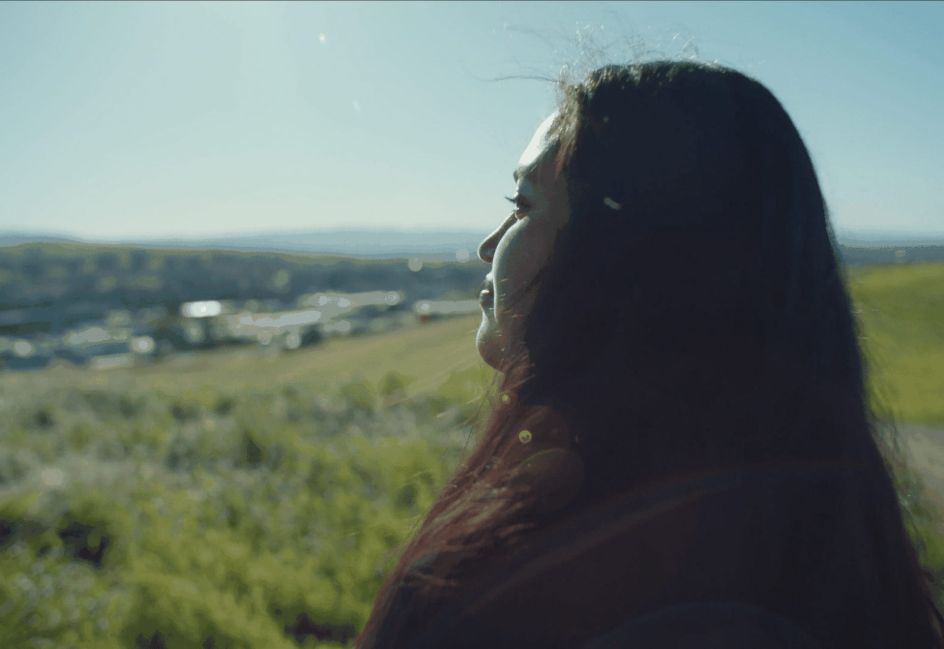
When The Reach Foundation approached us, they wanted to create a series of videos for their annual fundraising event in the San Francisco Bay Area. Their mission supports first-generation students of color by providing mentorship and scholarships from high school through college, and there were dozens of meaningful stories we could have told.
Instead of trying to summarize the organization, we focused on three fellows whose lives had been shaped by the program.
Over three days of production, we followed their stories through honest interviews and cinematic visuals that allowed supporters to connect with them on a personal level. Rather than hearing about the impact of scholarships in the abstract, donors met real students whose futures had been changed because someone else chose to give.
That shift in perspective made all the difference. Rather than becoming another overview of the organization, one film gave supporters the opportunity to meet a student whose life had been changed through mentorship and scholarships. By the end of Josue’s interview, his story had already said more about The Reach Foundation than we ever could:
“All of these doors that were once closed to me are now open. It’s up to me to walk through them.”
Show the Impact Don’t Explain It
The strongest films don’t try to convince viewers that an organization is making a difference. They simply introduce them to someone whose life has already been changed.
One thing that continues to surprise us is how often the strongest story isn’t the one anyone expected to tell.
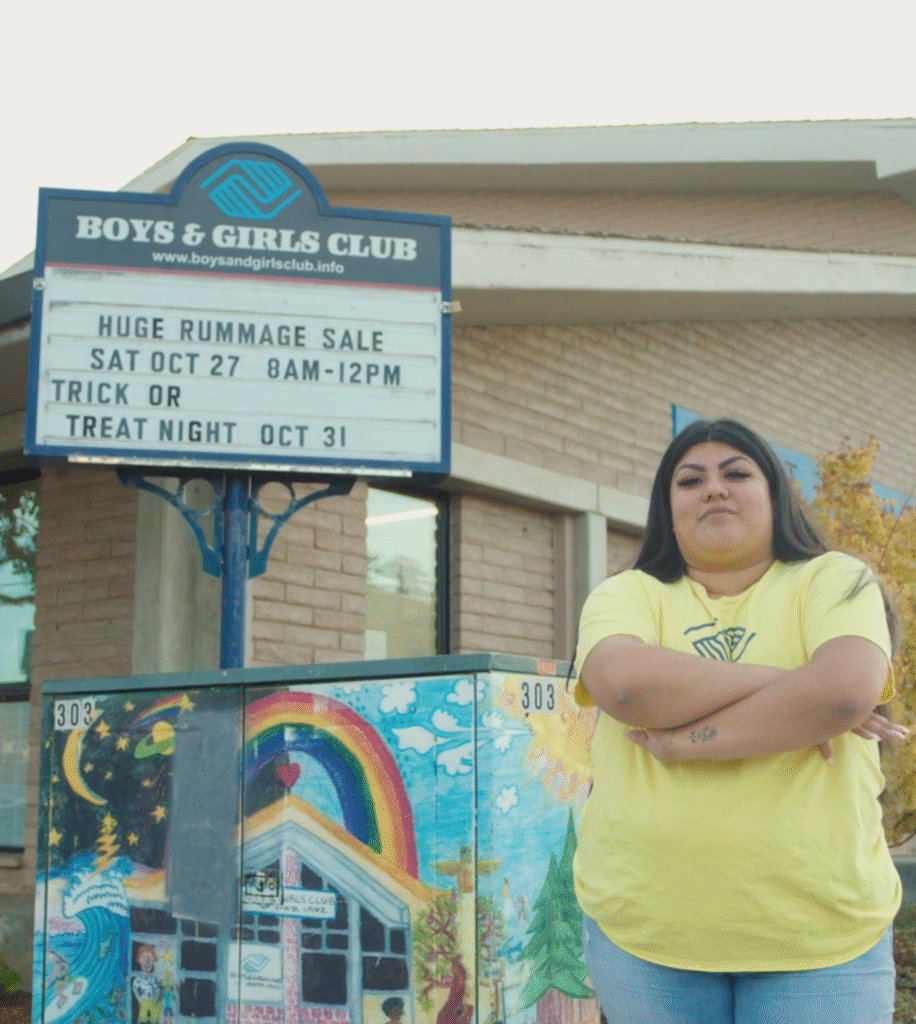
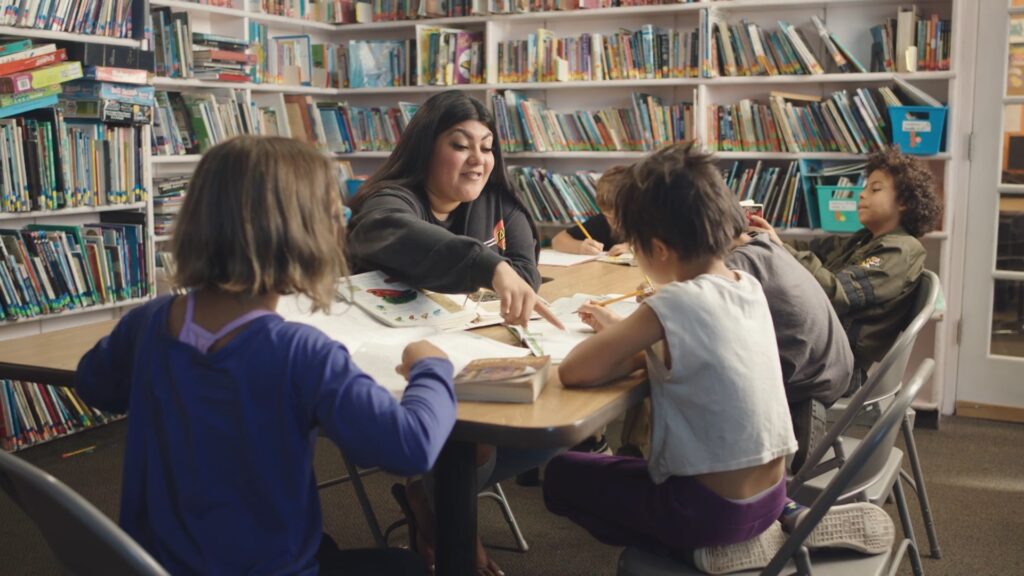
When the Boys & Girls Club of Santa Cruz came to us for their 50th anniversary fundraising film, the original vision was to create a broad overview of the organization and everything it offers the community.
Then we started interviewing former club members, and one conversation immediately stood out.
Vanessa shared how the club had helped her navigate some of the most difficult moments in her life. One line tugged at the heart strings and told the whole story:
“I didn’t know at the time, when my dad was deported, that I was falling in love with a place that was more than just a couple bricks and some walls.”
As soon as we heard that, it became clear that audiences didn’t need a detailed explanation of every program the organization provides. They needed to understand what those programs meant to one person.
Vanessa’s story and her experience became the heart of the film.
It’s something we often remind clients during pre-production. You don’t have to tell people your nonprofit changes lives if you can introduce them to someone whose life has already been changed.
Every Organization Has a Different Story to Tell
No two nonprofits are alike, so every production looks a little different.
For Rivet School by SNHU, finding the right story started well before production day. We conducted extensive pre-interviews with students, listening to their experiences and identifying the people whose journeys best reflected the organization’s mission.
That preparation allowed us to maximize a single day of filming while still capturing authentic conversations. The result was eight finished videos that could be used across fundraising campaigns, social media, websites, and digital marketing.
That’s something we encourage nonprofits to think about from the beginning. A single production doesn’t have to produce a single video. With thoughtful planning, one interview day can generate months of valuable content across multiple platforms.
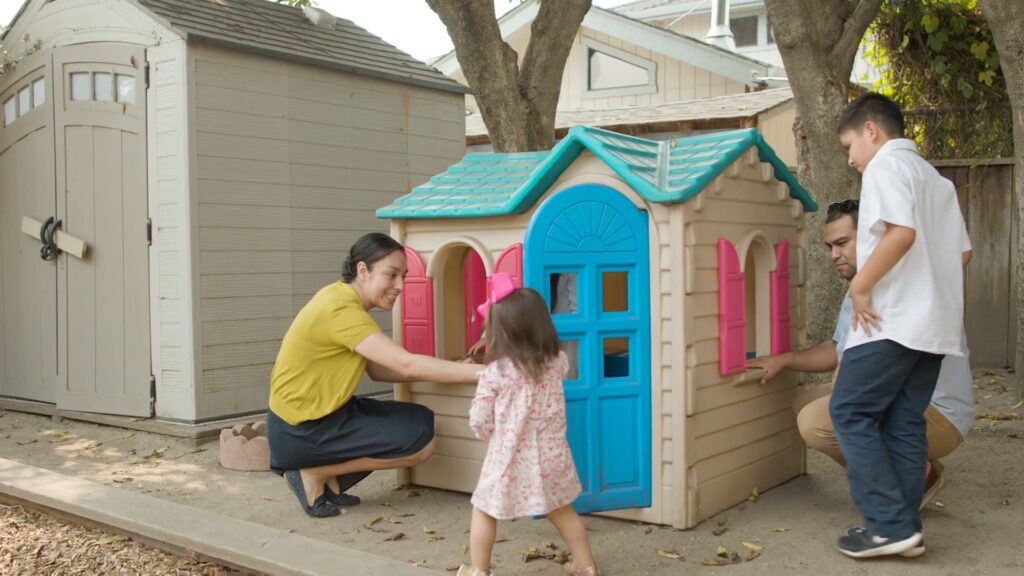
Rather than telling the story through one interview, we brought together multiple perspectives, including a local family who had benefited from their services, one of their donors, and the program director. Each person viewed the organization through a different lens, and together they painted a much more complete picture of the impact being made throughout the community.
Every organization tells its story a little differently, but the process almost always starts the same way. Sit down, ask thoughtful questions, and listen more than you talk.
Planning a Nonprofit Video That Connects
The best nonprofit video is rarely the product of a great shoot alone. It begins with thoughtful planning.
The first question we ask clients is simple: who is this video for?
Someone attending your annual fundraising gala will likely respond differently than a prospective volunteer, grant organization, or corporate sponsor. Understanding your audience helps shape every creative decision that follows.
From there, we encourage organizations to narrow their focus. Rather than trying to cover every aspect of the mission, identify one story that represents the larger purpose behind your work. Audiences naturally connect with people before they connect with organizations.
We’re also big believers in conversations instead of scripts.
Some of the most memorable moments we’ve ever filmed happened after an interview subject relaxed, forgot about the camera, and simply started talking. Those moments can’t be planned, but they can be encouraged by creating an environment where people feel comfortable sharing their experiences honestly.
Finally, think beyond the fundraiser itself.
That’s one of the reasons we often encourage clients to think beyond a single deliverable. During our work with Rivet School, one production day became eight finished videos, each serving a different purpose. The same interviews supported fundraising, their website, social media, and ongoing outreach without requiring additional shoot days. When production is planned with that in mind, the return on your investment extends far beyond a single evening.
A Checklist For Before Filming:
Identify who the video is for (donor, volunteer, grant committee)
Narrow the story to one person, not the whole organization
Choose the single message this video needs to carry
Plan for real conversation, not scripted answers
Decide how footage will be used beyond the fundraiser (social, web, outreach)
Build in time for subjects to relax before the camera rolls
Choosing a Nonprofit Video Production Company
We love talking about cameras and lighting, but they’re rarely what clients remember after a project is finished. What sticks with them is whether the interview felt genuine and whether the story reflected the people they set out to serve. But nonprofit storytelling requires something more.
You’re often asking people to share deeply personal experiences, sometimes for the first time. That takes trust, patience, and a production team that knows when to stop asking questions and simply listen.
Interestingly enough, the best interviews rarely come from perfectly crafted questions. They come from genuine conversations.
When people feel comfortable, they stop worrying about saying the “right” thing. They speak naturally, and that’s almost always when the most meaningful moments happen. For us, that’s what nonprofit video production has always been about. The cameras, lighting, and equipment matter because they help tell the story well, but they’re never the story themselves.
It depends on where it’ll be used. Fundraising films tend to run 3–5 minutes; social and web content works better under 90 seconds. We’ll usually plan for both from a single shoot day.
One. Trying to cover every program dilutes the impact. A single, well-told story does more to move an audience than an overview of everything the organization does.
That’s normal, and it’s part of why we build time into the shoot for real conversation instead of scripted answers. The most memorable moments almost always happen after someone stops thinking about the camera.
With the right planning you sure can. Our work with Rivet School turned a single production day into eight finished videos for fundraising, social, and outreach.
Final Thoughts
After years of producing nonprofit videos throughout San Francisco and the Bay Area, one lesson continues to come up again and again. The organizations that connect most deeply with donors are the ones that help supporters see the people behind the mission.
Every nonprofit has important numbers to share, measurable outcomes to celebrate, and a mission statement they’re proud of. Those things all have their place. But what people remember is the student who found an opportunity, the family that found hope, or the volunteer whose life was changed by giving back.
We’ve been fortunate to help organizations like The Reach Foundation, Boys & Girls Club of Santa Cruz, Rivet School by SNHU, and Pajaro Valley Shelter Services tell those stories. Every project has looked different, but they’ve all shared the same goal: helping audiences feel connected to a cause through authentic human experiences.
When people feel that connection, they’re far more likely to take action. And that’s what great nonprofit videos are ultimately designed to do. Looking to gather donations for your San Francisco Bay Area nonprofit? Contact us to set up a discovery call today!
William Cook
Founder & Director, Luma Creative
William founded Luma Creative to bring elevated, story-driven video production to corporate, tech, and nonprofit clients in San Francisco. With over a decade of directing experience across commercial, corporate, and other video projects, he leads with calm under pressure, sharp creative instincts, and a client-first mindset.